

New for manufacturers & distributors: the half-day AI Opportunity Workshop.See how it works →
Rudy Abitbol
EN · FRTalk to Rudy

Distribution runs on thin margins and thick catalogs.

I help distributors move quotes, orders and product data faster, with the account context your reps already rely on. I’ve run this side of the business: digital channels at Lumen, part of Sonepar.

What I see in distributors.

Patterns that come up again and again. Your version will have its own details.

Every supplier sends a different spreadsheet.

Names, units and attributes never match, so search, quoting and ordering all slow down.

Quotes depend on who’s in the office.

Pricing rules, agreements and substitutions live in a few reps’ heads.

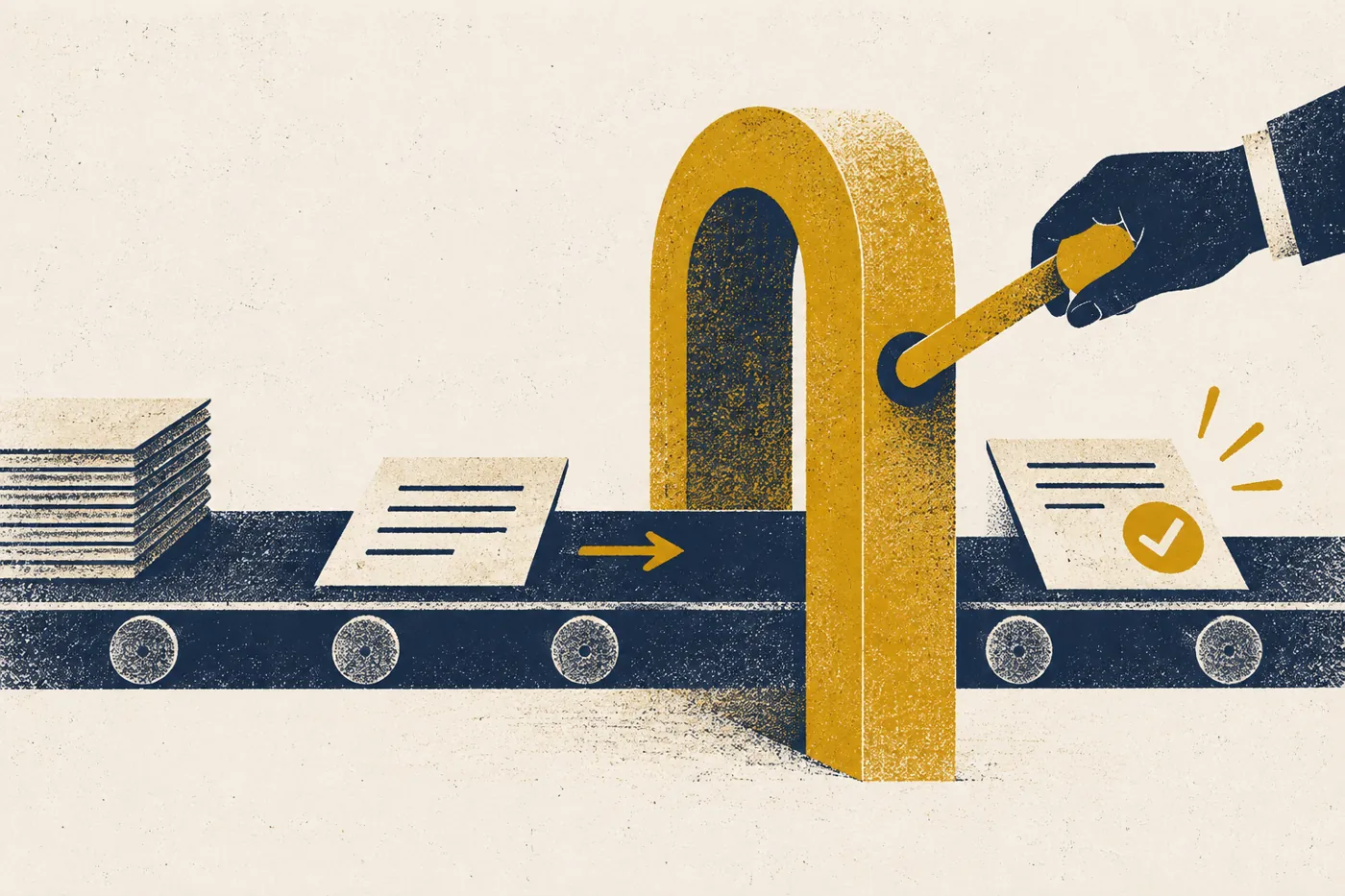
Orders are retyped from email.

Customer codes, units and missing details get checked by hand before anything reaches the ERP.

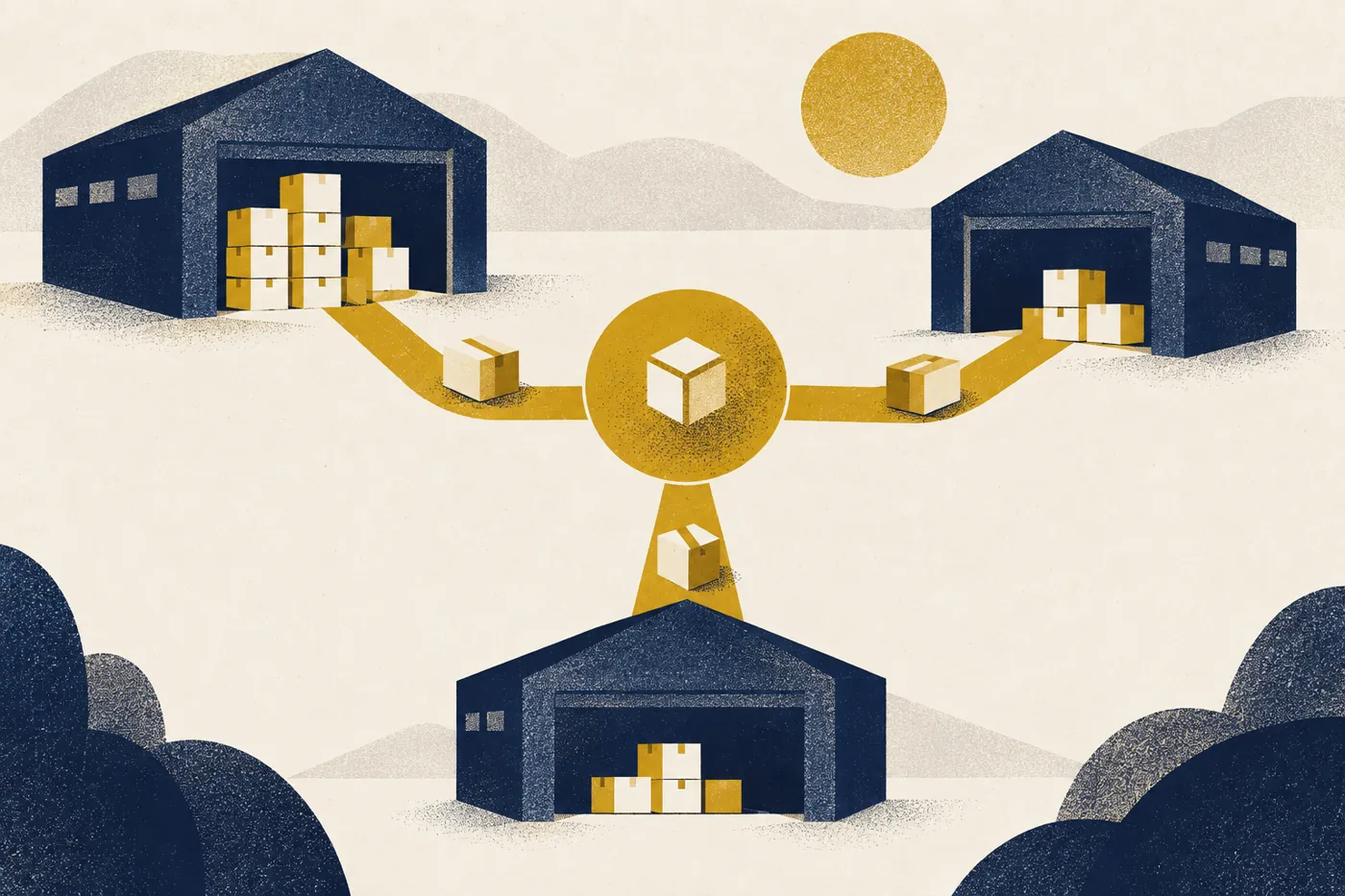
Stock sits in the wrong branch.

One location runs short while another holds the same product, and nobody sees it in time.

Where it tends to pay first.

A few examples of what the work can look like. We choose yours together, after looking at how your business actually runs.

Bring supplier catalogs into one usable structure.

Every supplier has a different spreadsheet, naming convention and level of detail. Those inconsistencies slow search, quoting and ordering.

What changes: An enrichment workflow that drafts attributes and English/French content from approved sources, flags gaps and routes changes for review.

What we track
Handling time per item, should go down
Attribute completeness, should go up
Approval rate, should go up

Prepare quotes with the right account context.

Reps need to reconcile product alternatives, account agreements, prices and availability while the customer waits.

What changes: A quoting assistant that prepares a draft from approved product information and customer context, with source references and missing details flagged.

What we track
Time to prepare a quote, should go down
Correction rate, should go down
Rep adoption, should go up

Spend less time rekeying customer orders.

Emails and attachments contain customer-specific product codes, different units and incomplete details that require manual checks.

What changes: An intake workflow that extracts order lines, matches products and accounts, and produces a reviewable draft with an exception queue.

What we track
Handling time, should go down
Field accuracy, should go up
Exception rate, should go down

Balance availability across the distribution network.

Stock can sit in one branch while another loses orders. Replenishment decisions need a view of demand, lead times and service commitments.

What changes: A planning pilot that identifies stock exceptions and evaluates replenishment or transfer recommendations against service and inventory goals.

What we track
Stockouts, should go down
Inventory levels, should go down
Service rate, should go up

How we’d find yours.

Structured sessions with sales, service and operations, starting from the meetings where decisions actually get made.

01

Sit in on the decisions

Your weekly sales or planning meeting: every number people question gets noted.

02

Follow the paper

A sample of quotes and orders, traced from email to ERP.

03

Rank and choose

Friction ranked by margin and time. We pick where to prove it first.

Director of Digital Channels at Lumen / Sonepar (2018–2022): an $8M digital budget, mobile ordering and connected B2B systems.

Let’s look at your business.

Tell me where work slows down and who’s involved. We’ll decide together where AI earns its place, and where it doesn’t.

Talk to Rudy →English or French. Directly with Rudy.